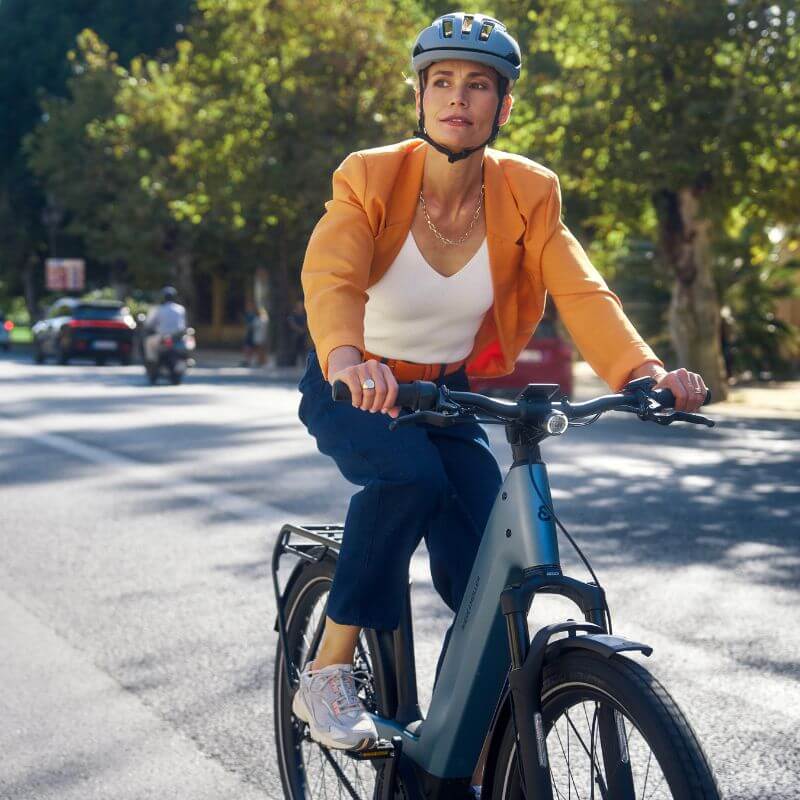











Your commute has a personality.
In Ottawa and cities across Canada, that personality might be five flat miles with perfect pavement and one chaotic intersection where everyone forgets how a stop sign works. Or it might be a rolling route with a bridge, a headwind that shows up like it pays rent, and a last half mile that feels steeper every winter. A good commuter eBike does not just go fast. It removes the specific friction points that make you drive, rideshare, or skip the trip.
This city commuter electric bike guide for Ottawa riders and Canadians alike is built around that reality. The best choice depends on your streets, your storage, your pace, and how much you want to think about maintenance after the honeymoon phase. Whether you ride locally in Ottawa or are researching the right commuter eBike anywhere in Canada, the principles remain the same.
Start with the commute, not the spec sheet

Most buyers start with motor watts and battery size. Commuters who stay happy start with logistics.
Think through three practical constraints: where you’ll store the bike at home, where it will live at work, and how you’ll handle the “awkward” segments like stairs, elevators, train platforms, or a narrow hallway. If you’ll carry the bike at all, weight and balance matter more than one extra amp-hour of capacity.
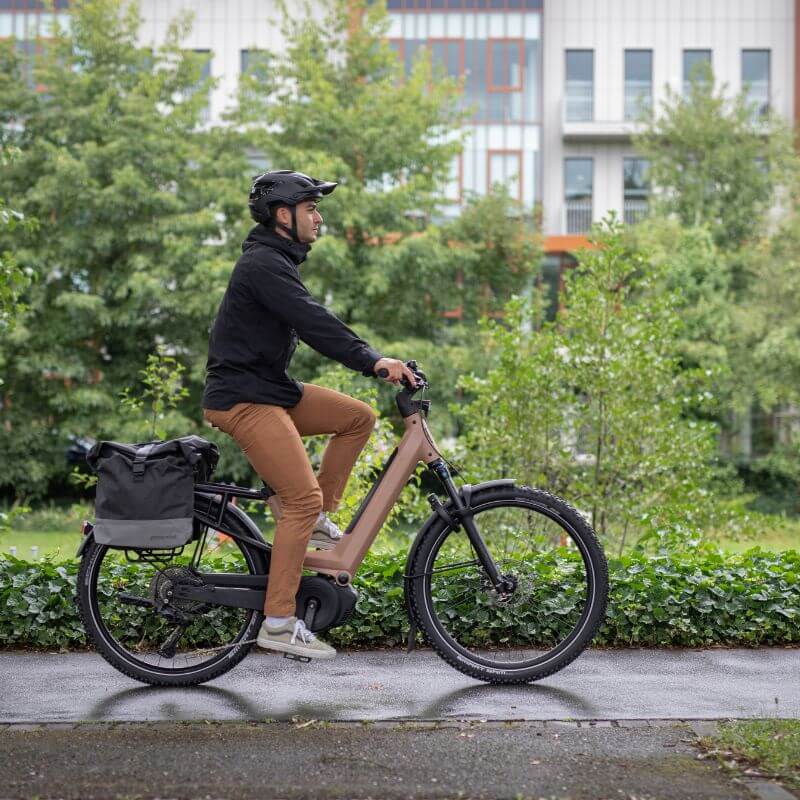
Next, be honest about how you want to arrive. If you want a no-sweat ride in work clothes, you’ll prioritize upright geometry, predictable power delivery, and everyday gear like fenders and lights. If you enjoy pedaling and just want hills and headwinds neutralized, a lighter, more responsive setup can feel better day after day.
Finally, map your route in your head by moments: stop-and-go blocks, longer straight stretches, rough pavement, potholes, and any steep climbs. Those moments translate directly into the drivetrain, tires, and motor system that will feel “right” rather than merely adequate.
Motor and battery: why commuter systems feel different
For daily urban riding, you’re usually choosing between mid-drive and hub-drive systems. Both can work, but they behave differently in traffic.
Mid-drive motors (often paired with major ecosystems like Bosch) deliver power through the drivetrain. That tends to feel natural when you’re accelerating from lights, climbing, or varying cadence. It also makes gearing matter - in a good way - because the bike can stay in its sweet spot as conditions change. The trade-off is complexity and cost, and you’ll want to stay on top of drivetrain wear if you put down high mileage.
Hub-drive motors push from the wheel, typically with a simpler feel and fewer drivetrain variables. For flatter commutes and riders who prefer straightforward operation, hub systems can be a great match. The trade-off is that steep climbs and frequent stop-and-go can expose their limits sooner, and the power delivery can feel less “bicycle-like” depending on tuning.
Battery size is where many commuters overbuy or underbuy. Range depends on rider weight, wind, temperature, tire pressure, terrain, and how much you lean on assistance. If you’re commuting in colder climates, expect noticeable range reduction in winter. A realistic approach is to plan for your round trip with a buffer so you’re not charging anxiously every day.
If your workplace charging is easy, a smaller battery can still be perfectly comfortable. If you can’t charge at work and you also want errands after, extra capacity stops being a luxury and starts being stress relief.
The commuter must-haves: comfort and control
A commuter eBike is a tool you’ll use tired, distracted, and sometimes in the dark. Comfort isn’t indulgence. It’s control.
Upright or moderately upright riding positions tend to win for visibility and neck comfort in traffic. A more aggressive posture can be efficient, but if it makes you crane your neck at every intersection, it will wear on you.
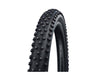
Tires are underrated commuter equipment. Wider tires at the right pressure smooth broken pavement and reduce pinch flats. Too narrow and you’ll feel every crack. Too wide and you may add rolling resistance and weight you don’t need, though many city riders happily trade speed for calm.
Brakes should be predictable and confidence-building. Hydraulic disc brakes are common on premium commuter builds because they stay consistent in wet weather and require less hand force. If your route includes steep descents, wet leaves, or winter grit, this is not a place to economize.
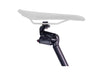
Suspension is a “it depends” decision. A suspension fork can help on rough roads, but it adds weight and can reduce efficiency. Many urban riders do better with quality tires and, if needed, a suspension seatpost that takes the edge off without turning the bike into a pogo stick.
Drivetrain choices: the real maintenance conversation
If you ride 3-5 days a week, your drivetrain choice will shape your ownership experience more than you expect.
A classic derailleur drivetrain is efficient, familiar, and often lighter. It also exposes more moving parts to road grime, salt, and slush. If you’re willing to clean and lube regularly, it’s a solid option.
Internal gear hubs and continuously variable systems like Enviolo hide the mechanism from the elements, which many commuters love. Shifting can be easier at stops, and you’re less likely to knock things out of alignment. The trade-off is typically higher upfront cost and a different pedaling feel.
Belt drives are worth a serious look for commuters who want low mess and low upkeep. No chain grease on pants, and they tend to hold up well in messy weather. The trade-off is that belt-compatible frames and components narrow your options, and service requires the right parts and know-how.
If you’re choosing between “cheaper now” and “less hassle later,” be honest about your tolerance for routine maintenance. A commuter eBike should reduce friction, not create a new chore.
City practicality: accessories that should be non-negotiable
Many bikes can be made commuter-ready, but the best commuter builds start ready.
Integrated lights powered by the main battery are a big quality-of-life upgrade. You’ll actually use them because you don’t have to remember to charge separate lights. Full-coverage fenders matter if you ride after rain or through puddles - they keep you and the bike cleaner, which also helps longevity.
A sturdy rear rack is more than cargo capacity. It’s how you stop wearing a sweaty backpack. If you’re carrying a laptop, look for panniers with stable mounting and enough structure to keep contents from shifting.
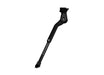
For stop-and-go urban riding, a stable kickstand is not optional. Same for a bell that you can reach without taking your hand off the brake.
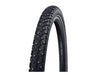
If you commute year-round, consider tires designed for puncture protection and wet traction. It’s hard to overstate how much a single flat on a Monday morning can sour your relationship with an otherwise great bike.
Theft-proofing: plan for the worst, enjoy the ride

A commuter eBike can be an attractive target for theft, but the goal is not paranoia. It is about building predictable habits and using the right security accessories. Start by considering where the bike will live. Indoor storage is always the safest option. If you must lock your bike outside, choose highly visible, well trafficked locations and always lock to solid, fixed infrastructure such as a bike rack or steel post. Use a high quality lock or heavy duty chain from trusted brands like ABUS or AXA, and lock both the frame and at least one wheel. Bikes secured with proper hardened locks are far more difficult to cut, which often causes thieves to move on to easier targets such as bikes protected only by cable locks.
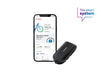
Modern electric bikes equipped with Bosch systems add an additional layer of protection. Bosch eBikes can disable the motor and battery electronically, making the bike far less attractive to thieves since it cannot easily be ridden or resold. Riders can also add the Bosch eBike Alarm feature, which combines an audible alarm with GPS based tracking through the Bosch app. If the bike is moved or tampered with, the owner receives a notification and can track its location directly from their smartphone.
Additional precautions can further reduce risk. If your bike uses quick release wheels or a seatpost, consider switching to theft resistant hardware. Many riders also remove their display when parking if the system allows it, and registering the bike’s serial number can help with recovery. Insurance can also be worthwhile depending on your city and storage situation.
Most importantly, develop a simple security routine and follow it every time you park your bike. The best lock is not just the strongest one available. It is the one you consistently use correctly every day.
Fit and sizing: the fastest way to avoid buyer’s remorse
Commuters don’t need a race fit. They need a repeatable fit.
The right size lets you start and stop confidently, especially in traffic. Step-through frames are popular for city riding because they make mounting easy in everyday clothing and reduce awkward moments at lights. Step-over frames can feel stiffer and more “classic,” but the difference matters less than choosing a geometry that matches your mobility and comfort.
Handlebar height and reach are where comfort is won or lost. If you feel pressure in your hands or tension in your shoulders, you’ll ride less. Saddles are personal, but a good shop can usually get you close quickly with proper adjustment.
If you’re buying for a partner or as a gift, prioritize fit flexibility. A bike that’s slightly adjustable for multiple riders is often a better “household commuter” than a perfectly optimized setup for just one person.
Choosing the right category: city, compact, folding, or cargo

“Commuter eBike” isn’t one bike.
A dedicated city eBike is the default choice for most riders: stable, comfortable, with everyday equipment and predictable handling.
Compact and folding eBikes shine when storage or multi-modal commuting is the constraint. If you combine biking with trains or need something that fits in a small apartment, the convenience can outweigh compromises in wheel size or ride feel.
Cargo eBikes are commuter machines when your commute includes kids, groceries, or tools. They can replace a second car, but they also require storage planning and a rider who’s comfortable managing a larger footprint. For some households, that’s the whole point.
Premium brands tend to specialize here. Some riders want a sleek urban setup. Others want a do-it-all platform from names like Gazelle, Riese & Muller, Tern, Moustache, Cube, or Urban Arrow. The best choice is the one that fits your daily life without improvisation.
Service and parts: the quiet factor that matters most
A commuter eBike is only as good as its uptime.
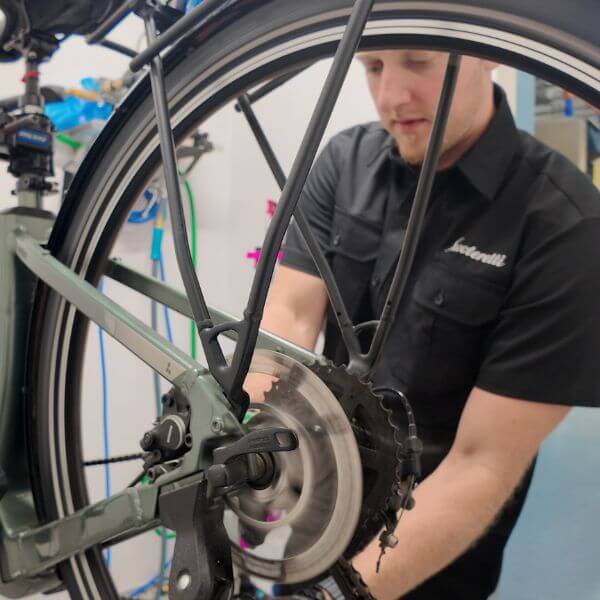
Motors, batteries, and displays are part of a system. The advantage of established ecosystems is that replacement parts, diagnostics, and trained technicians are easier to find. If you commute year-round, plan for wear items like brake pads, chains or belts, tires, and bearings. None of this is scary, but it’s expensive and frustrating if you can’t get the right parts quickly.
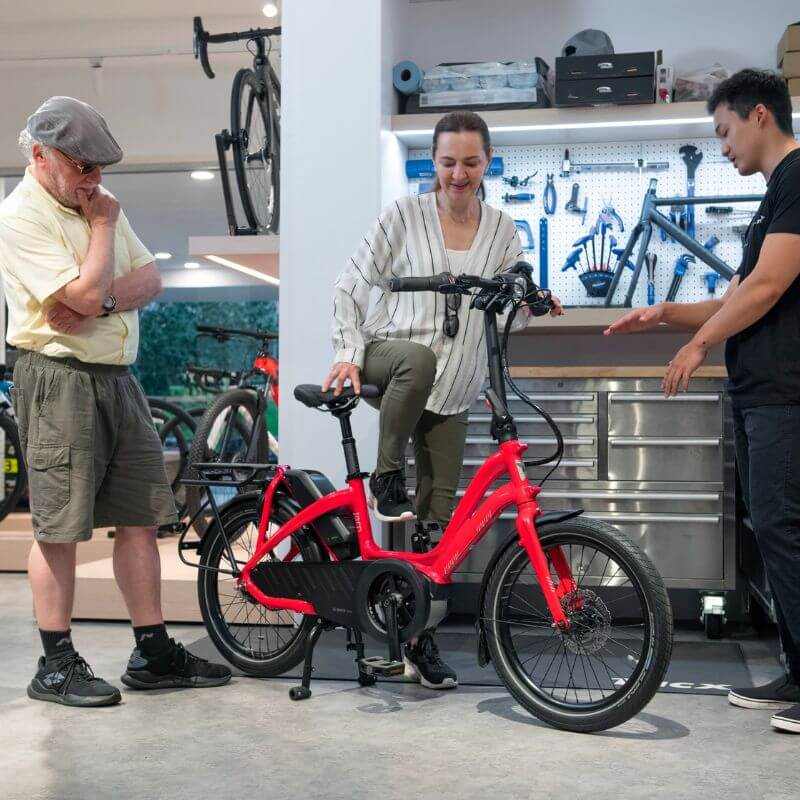
This is where buying from an expert retailer pays dividends. A consultative shop can match you to the right platform, set it up correctly, and keep you rolling with certified service. If you want that kind of confidence-driven buying process plus long-term support, Scooteretti offers free consultations and a deep service and parts ecosystem at https://scooteretti.com.
How to test ride like a commuter
Test rides often happen on calm streets at low speed. Your real commute isn’t like that.
When you test, simulate your daily reality: start and stop repeatedly, ride one-handed briefly to see stability (in a safe area), and pay attention to how the bike behaves at low speed. Try a hill if you have one nearby and see whether the power delivery feels smooth or jumpy.
Shift under light load, then stop and shift again. If the bike has an internal gear hub or CVT, practice shifting at a standstill. Check whether the brakes feel controllable rather than grabby.
Finally, listen to your instincts about comfort. If something feels “a little off” in the first five minutes, it usually gets worse at minute forty.
A closing thought
The right commuter eBike doesn’t just make trips faster. It makes them easier to start. When you choose a bike that fits your route, your storage, and your tolerance for maintenance, you stop negotiating with yourself every morning - and you simply ride.

About the Author
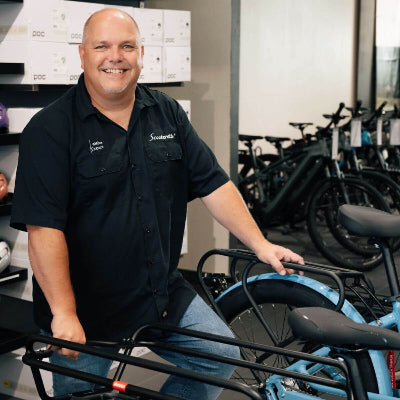
William Leishman
Founder & President, Scooteretti
William Leishman is the Founder and President of Scooteretti, one of Canada's leading electric bicycle retailers and a recognized authority in the eBike industry since 2010. As a member of the National Bicycle Dealers Association (NBDA) Advisory Board for eBike Safety, William plays a central role in shaping best practices and safety standards across North America, and is regularly featured on television, radio, print, and digital media as a trusted voice for consumers and industry professionals alike.
William's core mission is to educate Canadian consumers on choosing the right electric bicycle — one that truly fits their lifestyle, budget, and safety needs. As Canada's eBike market has exploded with new options, too many riders are purchasing the wrong bike, spending thousands across multiple purchases before finding a good fit. Scooteretti's "buy it once, buy it right" philosophy was built to solve exactly this problem, and it has helped thousands of satisfied customers make confident, informed decisions since 2010.
Beyond finding the perfect ride, William is on a personal mission to make eBike safety a national priority. He is a passionate advocate for making UL certification mandatory for every electric bicycle sold in Canada — a standard he believes every Canadian deserves, yet one that current legislation does not require. William is actively working to raise awareness among consumers and at all levels of government, because he firmly believes that no Canadian should have to risk their safety on an uncertified eBike. This isn't just a business position — it's a personal commitment he is dedicated to seeing become law.