







You can feel it in the first five minutes of a test ride: the difference between an eBike that is “easy to pedal” and one that is genuinely comfortable for an older body. Comfort is not about plush marketing language. It is about how the bike supports your joints, your balance, and your confidence when you start, stop, and ride for an hour.
If you are searching for the best electric bike for seniors comfort, the most useful approach is not picking a single “best” model. It is choosing the right comfort geometry, the right motor system, and the right touchpoints (seat, grips, tires, suspension) - then pairing that with a shop that can dial in the fit and keep it running for years.
What “comfort” really means for senior riders

Comfort is usually a bundle of small decisions that reduce strain in three places: knees and hips, hands and shoulders, and lower back.
For knees and hips, you want an easy mount and dismount, plus a pedaling position that does not force deep knee bend. That usually means a low step-through frame, a moderate saddle height, and gearing that lets you spin rather than grind.
For hands and shoulders, comfort comes from an upright posture, swept-back handlebars, ergonomic grips, and tires that mute vibration. A bike can have a soft saddle and still feel harsh if the bars and tires transmit every crack in the pavement.
For the lower back, the big factor is reach. If you are leaning forward to find the handlebars, you will feel it quickly. A comfort-focused eBike keeps your torso more vertical, often with an adjustable stem so you can fine-tune the reach without a pile of aftermarket parts.
The best electric bike for seniors comfort starts with frame and fit
The frame choice is the most permanent comfort decision you will make. COmponents like stem, saddles, and grips can be changed. A frame that is hard to step over or puts you in a stretched posture will always be a compromise.
Step-through vs. mid-step: which is better?
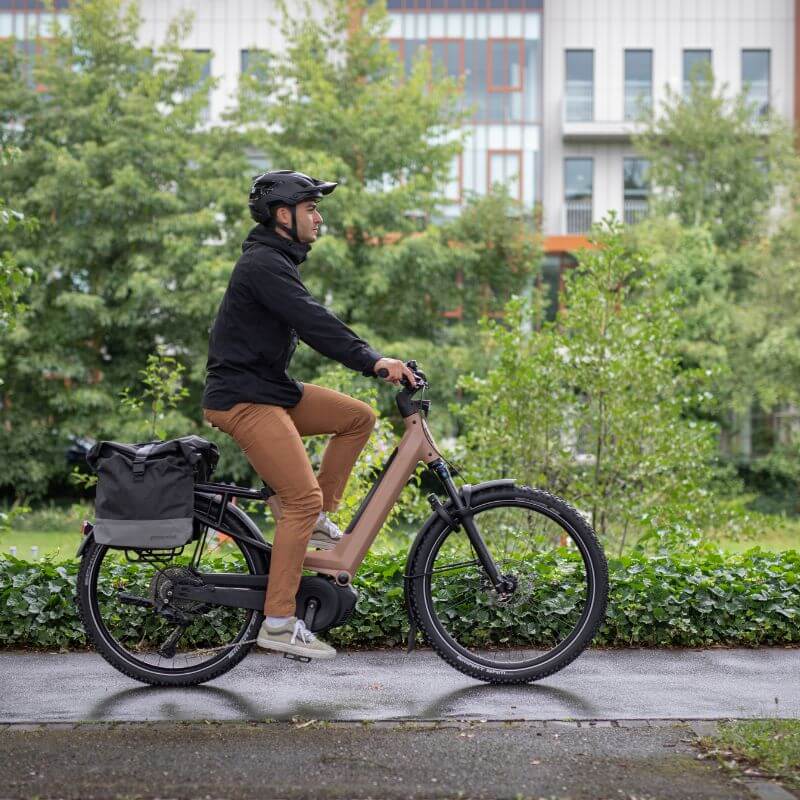
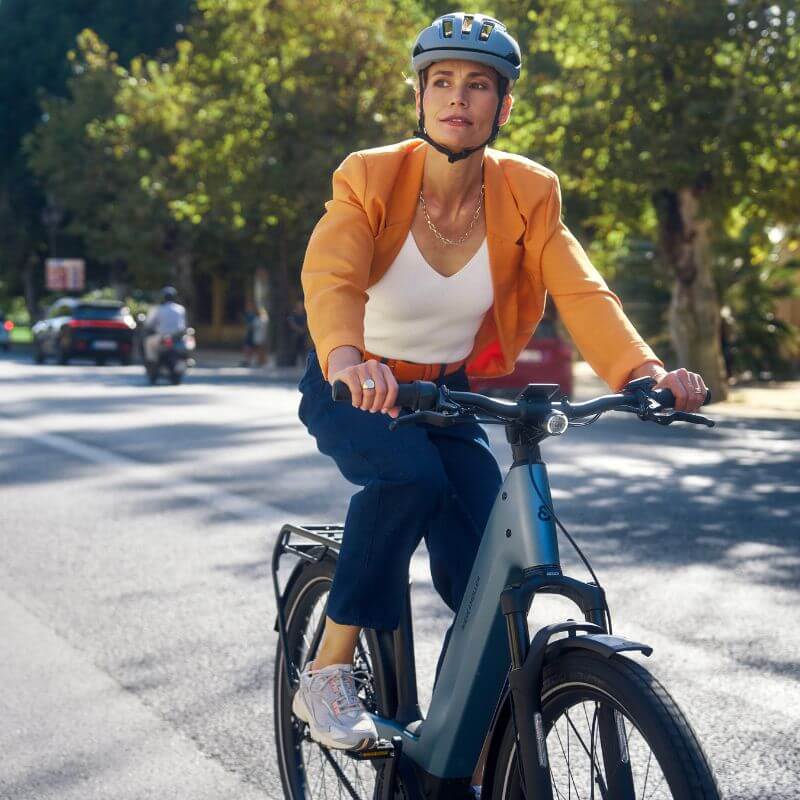
A true step-through (low top tube) is usually the winner for riders with limited hip mobility, balance concerns, or anyone who simply wants an easier, safer mount. It is also a great choice for riders who expect to stop often in city riding and want predictable starts.
A mid-step can feel slightly more “bike-like” to riders who grew up on diamond frames and want a bit more stiffness, especially with heavier loads or higher speeds. If you have solid mobility and prefer that familiar feel, mid-step can be comfortable too - but comfort is not just stiffness, it is how relaxed you feel getting on and off.
Sizing and reach matter more than brand
A comfort eBike that is one size too big is rarely comfortable. Seniors often do best with a shorter reach to the bars and a position that allows easy foot-down stops. That does not mean riding a bike that is too small; it means choosing a geometry that fits your proportions and your confidence.
A simple rule: if you feel like you have to “hunt” for the ground at stops, the bike is not set up for you yet.
Motor and drivetrain choices that reduce fatigue
Comfort is not just softness. It is also the absence of strain. The right motor system can take pressure off your knees by reducing effort and make hills feel predictable and easy to climb.
Mid-drive motors: smooth support that feels natural
Premium comfort-focused eBikes for seniors often use mid-drive systems (commonly Bosch in the brands Scooteretti carries). The reason is control and balance: the motor supports your pedaling directly through the drivetrain, and the weight sits low and centered. That makes starts smoother and handling more stable, which is a comfort feature in its own right.
Mid-drives also tend to do well on hills at lower speeds. If your goal is to ride more often without worrying about your knee complaining tomorrow, the “torque-y” feel of a quality mid-drive in a lower assist mode can be a game changer.
Low-maintenance shifting: comfort includes simplicity
For many senior riders, the most comfortable drivetrain is the one that removes friction from the experience.
An internal gear hub can be appealing because it shifts cleanly, stays protected from weather, and usually needs less day-to-day fussing. Paired with a belt drive, it can also reduce chain mess and maintenance.
Continuously variable systems like Enviolo can feel especially “gentle” because you are not jumping between gears. You just dial easier or harder until your legs feel good. The trade-off is that some riders prefer the crisp feeling of a traditional derailleur, and derailleur systems can be lighter and sometimes more efficient. This is a classic “it depends” decision - comfort can mean low maintenance for one rider and familiar, snappy shifting for another.
Comfort features that actually change the ride
Once you have the right frame and motor, the remaining comfort is a collection of contact points and vibration control.
Tires: the most underrated suspension
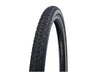
If you only change one thing for comfort, change how the bike meets the ground. Wider tires at appropriate pressure smooth out chipseal, expansion joints, and gravel paths far more than most people expect.
Many premium city and trekking eBikes use tires that are wide enough for comfort but still efficient on pavement. The key is not simply “fatter is better.” You want a tire that fits the bike properly, has good puncture protection, and is run at a pressure that matches rider weight. Overinflated tires feel fast in the driveway and brutal on real roads.
Suspension: useful, but match it to your routes

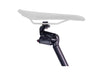
A suspension fork can be helpful if your routes include rough pavement, curbs, or packed paths. A suspension seatpost can also be a comfort multiplier, especially for riders who feel bumps in the lower back.
The trade-off is weight, complexity, and sometimes a vague feeling in steering if the fork is not high quality. For mostly smooth city riding, many riders prefer a rigid fork plus good tires and a suspension seatpost. For mixed surfaces, front suspension can be worth it.
Saddles and grips: comfort is personal, but patterns exist
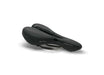
A comfort saddle should support your sit bones without forcing you into a wide, chafing platform. Bigger is not always better. Gel can feel pleasant at first and then create pressure over time. Many seniors do best with a supportive saddle shape and a quality pair of ergonomic grips that reduce wrist extension.
If you have numbness in hands or feet, that is not something to “push through.” It is usually a fit or contact-point issue that can be solved.
Which bike styles tend to be most comfortable for seniors?
If your priority is comfort, stability, and easy everyday riding, three categories tend to work well.
City step-through eBikes
These are designed for upright posture, easy starts, and predictable handling. They often come with fenders, lights, and a rear rack, which keeps the ride practical and reduces the need for a backpack (a sneaky cause of shoulder and neck discomfort).
In Scooteretti’s premium lineup, look at brands known for comfort city geometry like Gazelle and Cube in their step-through city/trekking builds.
Trekking and touring eBikes
If you want longer rides, more varied surfaces, and a bike that still feels relaxed, trekking builds are often the sweet spot. They commonly include wider tires, a stable wheelbase, and components chosen for all-day comfort.
This style can be an excellent match for active older adults who want to ride rail trails, country roads, and mixed pavement without feeling beaten up.
Compact and folding eBikes (for storage and handling)
For some seniors, “comfort” includes how easy the bike is to live with. If stairs, condo storage, or lifting is part of your reality, a compact or folding eBike can remove a major barrier to riding.
The trade-off is that smaller wheels can feel more reactive over rough pavement, so tire choice and pressure become even more important.
What to look for in a test ride (so you don’t guess)
A parking-lot spin is not enough. Comfort shows up in transitions: starting, stopping, turning, and riding for at least 15 to 20 minutes.
Pay attention to how easy it is to mount without wobbling. Start from a stop a few times in a low gear and see if the motor support feels predictable. Practice a gentle emergency stop and notice whether you feel stable and centered.
Then check your body signals. If your wrists feel loaded, your bars may be too low or too far. If your knees feel strained, you may be in too hard a gear, the saddle height may be off, or the bike’s geometry may not suit you. If your neck tightens, you may be craning forward, which often means the reach is too long.
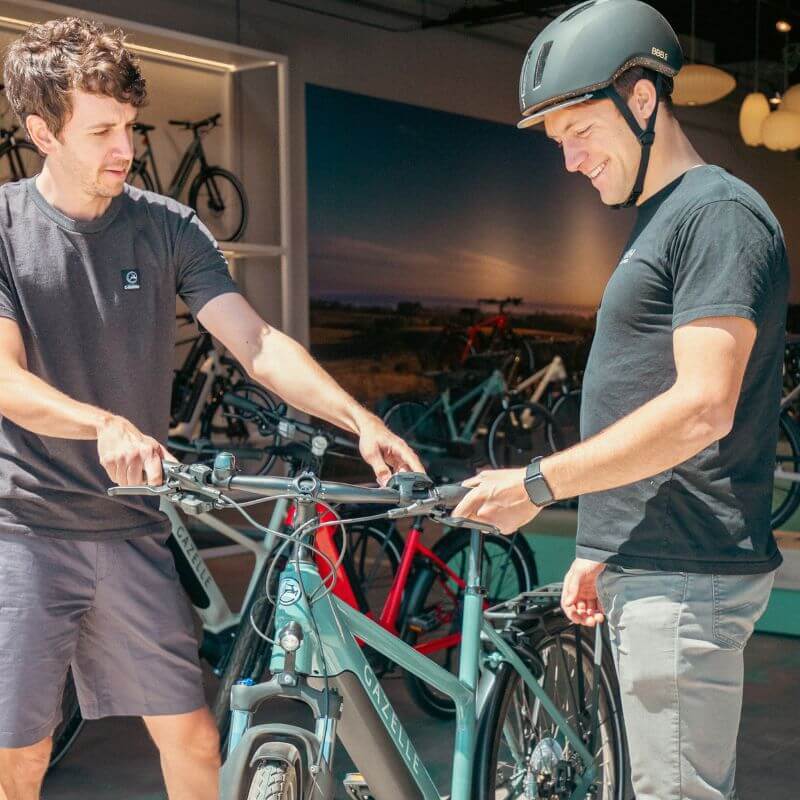
This is where a consultative retailer earns their keep. The right adjustments - saddle fore-aft, bar angle, stem height, tire pressure - can turn a “maybe” into a bike you want to ride three times a week.
Comfort is also service, not just specs
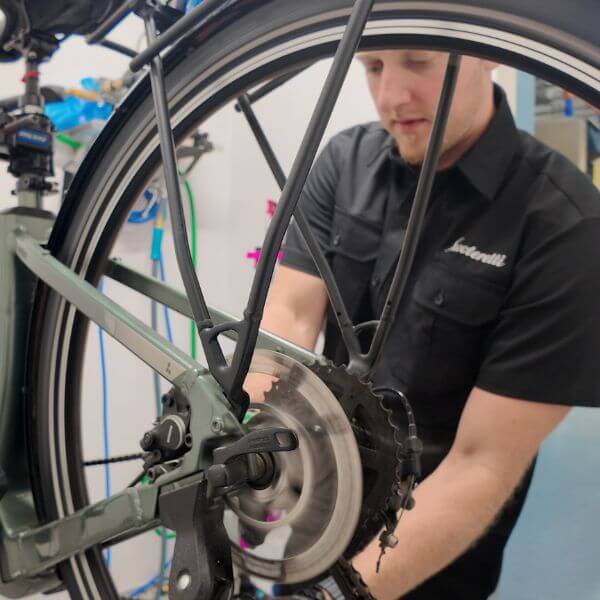
The most comfortable eBike is the one that stays quiet, tight, and correctly adjusted. Brake rub, skipping gears, underinflated tires, and worn pads all add friction and anxiety - especially for riders who want reliability more than tinkering.
If you are investing in a premium eBike, make sure you have a plan for certified service, access to OEM parts, and support if something feels off after the first few weeks. A small fit issue can become a “this bike isn’t for me” issue if it is not handled early.
If you want specialist help choosing a comfort-first setup from premium brands and getting the fit dialed, Scooteretti offers consultative support and certified service through their Ottawa shop and online at https://scooteretti.com.
Picking the “best” means picking what you’ll ride
The best electric bike for seniors comfort is the one that makes riding feel inviting: easy to get on, easy to start, easy to stop, and easy on the body after an hour. When the frame fits, the motor feels predictable, and the touchpoints are tuned to you, the bike stops being a purchase and starts being a habit.
Give yourself permission to be picky on comfort. The right bike should feel like it is helping you ride more of your life, not asking you to adapt to it.

About the Author
William Leishman
Founder & President, Scooteretti
William Leishman is the Founder and President of Scooteretti, one of Canada's leading electric bicycle retailers and a recognized authority in the eBike industry since 2010. As a member of the National Bicycle Dealers Association (NBDA) Advisory Board for eBike Safety, William plays a central role in shaping best practices and safety standards across North America, and is regularly featured on television, radio, print, and digital media as a trusted voice for consumers and industry professionals alike.
William's core mission is to educate Canadian consumers on choosing the right electric bicycle — one that truly fits their lifestyle, budget, and safety needs. As Canada's eBike market has exploded with new options, too many riders are purchasing the wrong bike, spending thousands across multiple purchases before finding a good fit. Scooteretti's "buy it once, buy it right" philosophy was built to solve exactly this problem, and it has helped thousands of satisfied customers make confident, informed decisions since 2010.
Beyond finding the perfect ride, William is on a personal mission to make eBike safety a national priority. He is a passionate advocate for making UL certification mandatory for every electric bicycle sold in Canada — a standard he believes every Canadian deserves, yet one that current legislation does not require. William is actively working to raise awareness among consumers and at all levels of government, because he firmly believes that no Canadian should have to risk their safety on an uncertified eBike. This isn't just a business position — it's a personal commitment he is dedicated to seeing become law.