





You can feel the difference between a premium eBike and a “pretty good” one in the first five minutes: how quietly the motor delivers power on a steep pitch, whether the frame feels composed under load, and how confidently the brakes bite when traffic does something unpredictable.
A premium electric bike brands comparison is less about picking a logo and more about matching a riding job to the brand that builds for it. The brands below overlap on quality, but their priorities vary - comfort geometry vs sporty handling, modular cargo ecosystems vs lighter all-rounders, ultra-low maintenance drivetrains vs maximum range and power. The right choice depends on where you ride, how you store the bike, and how much you care about long-term serviceability.
What “premium” actually buys you

At the premium tier, you’re paying for a complete system, not just a strong motor. Expect tighter frame tolerances, better paint and corrosion protection, and thoughtful details like internal cable routing done in a way that still allows service.
You’re also buying into a component ecosystem. Many premium builds revolve around Bosch drive systems, integrated lighting, durable wheelsets, and drivetrain choices like Enviolo or Rohloff that are designed to handle daily torque with fewer surprises. Just as important: premium brands tend to support their bikes for longer with OEM parts availability, firmware support, and clear service documentation.
How to read this premium electric bike brands comparison
Instead of ranking brands “best to worst,” it’s more useful to compare what each brand tends to do exceptionally well. Think of these as proven lanes.
The decision points that matter most
Motor feel and power delivery are only part of the story. For most riders, the real make-or-break factors are comfort fit, cargo capability, drivetrain maintenance, and how the bike will be supported after the sale.
If you’re commuting year-round, you’ll care about fenders, lights, tire clearance, and weather-resistant components. If you’re carrying kids or equipment, you’ll care about frame stiffness under load, rack ratings, and how stable the bike feels at low speed. If you’re an active older rider or buying for a parent, step-through access, upright posture, and predictable handling usually outrank top speed.
Riese & Muller: the “engineered to be owned” brand

Riese & Muller is often the answer for riders who want an eBike that feels like a long-term platform. The frames are stiff and confidence-inspiring, the integration is meticulous, and the option sheets can get wonderfully specific - dual-battery range setups, heavy-duty racks, suspension configurations, and drivetrain upgrades.
Where Riese & Muller shines is in high-mileage commuting, touring, and premium cargo. Many models prioritize stability at speed and under load, which matters when the bike is replacing car trips.
Trade-off: you’ll usually pay for that engineering and configurability, and the bikes can be heavier than minimalist alternatives. If you regularly lift your bike onto a rack or carry it upstairs, weight and size should be part of the conversation.
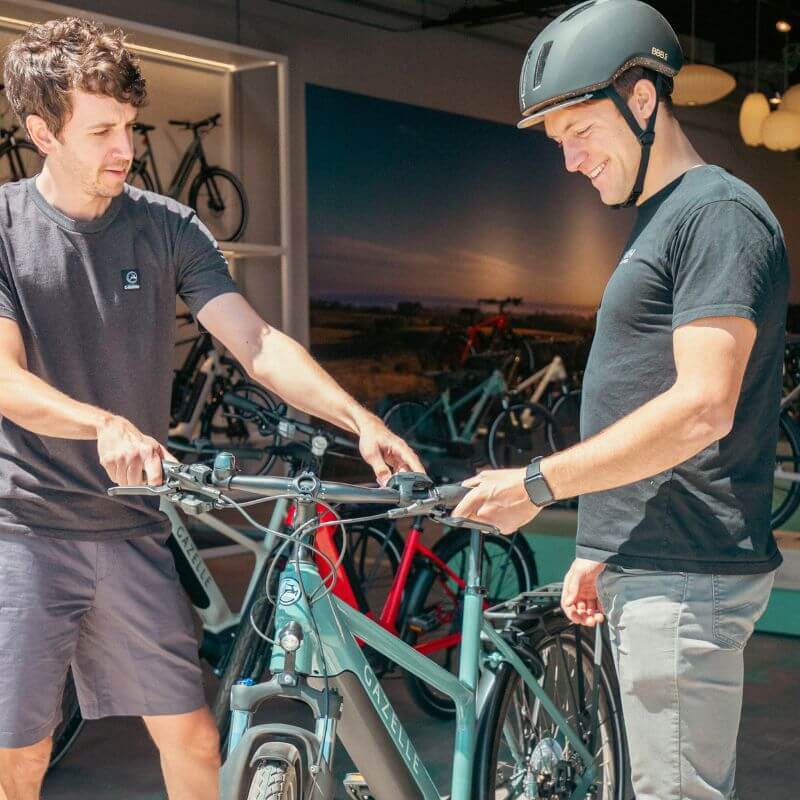
Gazelle: comfort-first city and trekking confidence
Gazelle has deep roots in everyday cycling, and it shows in how their eBikes fit real life. The riding position is natural, the frames tend to feel forgiving, and the overall experience is calm and predictable - excellent for commuting, errands, and recreational rides on mixed pavement.
Gazelle is also a strong choice for riders who value comfort and ease over sportiness. Step-through designs, stable steering, and practical spec choices (quality lights, fenders, chain cases on some builds) are often the reasons people fall in love with them.
Trade-off: if you want a more aggressive, sporty feel or you’re chasing the lightest possible build, Gazelle may feel more “city composed” than “fast and sharp.”
Moustache: sporty, playful, and terrain-flexible
Moustache tends to appeal to riders who want a premium eBike that feels lively. Across categories - from city to trail-capable models - the handling often leans dynamic, with build kits that reward riders who like to push the pace or mix routes (pavement, paths, light gravel).
This is a great brand to consider if you’re a commuter who also rides for fun and you don’t want the bike to feel like a purely utilitarian machine. Moustache also has a strong design identity, and many riders appreciate the attention to ride feel.
Trade-off: that sportier personality can mean a slightly firmer ride depending on the model and tire choice. If comfort and maximum upright posture are your top priorities, you’ll want to compare fit carefully.
Cube: performance value in the premium lane

Cube is often the “do more for your money” premium pick - still high-quality, still well-spec’d, but frequently positioned with an eye toward performance-per-dollar. You’ll see Cube across a wide spread: commuter builds, touring bikes, eMTB, and more athletic hybrids.
Cube can be an especially smart choice for riders who want a premium motor-and-component package but don’t necessarily need the most customized frame integration or boutique-level finishing details. For many riders, it hits the sweet spot: capable, modern geometry, and specs that make sense.
Trade-off: because Cube covers so many categories, the model-to-model differences matter. Two Cube bikes can feel completely different depending on the intended use. It’s a brand where choosing the right category is crucial.
Tern: compact engineering for real-world storage
Tern is the brand to look at when space is a constraint but you refuse to compromise on ride quality. Their compact and folding-oriented designs are built for apartments, elevators, smaller garages, and multi-modal commutes.
Tern also stands out for thoughtful utility features on smaller footprints - sturdy racks, stable handling even when loaded, and accessory ecosystems designed around practical carrying. If you want “small bike, big capability,” Tern is frequently the conversation.
Trade-off: compact design can come with different ride characteristics compared to full-size frames, and some riders simply prefer the feel of a traditional wheelbase. Also, cargo capacity depends heavily on the specific model and rack configuration.
Urban Arrow: front-load cargo done right
If the goal is to replace a second car - school drop-offs, grocery runs, equipment hauling - Urban Arrow is a benchmark. The front-box design creates a stable, confidence-building way to carry kids or cargo with excellent visibility and a predictable center of gravity.
For families, the day-to-day advantages are immediate: easier loading, less wobble than rear-heavy setups, and an ecosystem designed around real cargo use. For commercial and institutional use, it offers a scalable platform for delivery, service teams, and fleet applications.
Trade-off: size. Urban Arrow bikes are long and substantial, which affects storage, transport, and sometimes route choice. They’re also purpose-built, so if you rarely carry passengers or significant cargo, you may not use what you paid for.
Which brand fits which rider?
If your priority is a refined, configurable commuter or touring bike that you’ll keep for years, Riese & Muller is hard to beat. If you want comfort and a relaxed city-to-trekking posture that makes daily riding feel easy, Gazelle is a consistent winner.
If you’re the rider who wants a premium bike to feel fun and responsive - and you like the idea of taking the long way home - Moustache is a strong match. If you want premium performance and smart specs across many categories with an eye on value, Cube belongs on your shortlist.
If your storage reality is an apartment hallway, a condo locker, or a crowded garage, Tern is often the practical answer. And if you’re buying to carry kids, tools, or business cargo in a true car-replacement way, Urban Arrow is in its own category.
The less-glamorous factor that matters: service and parts

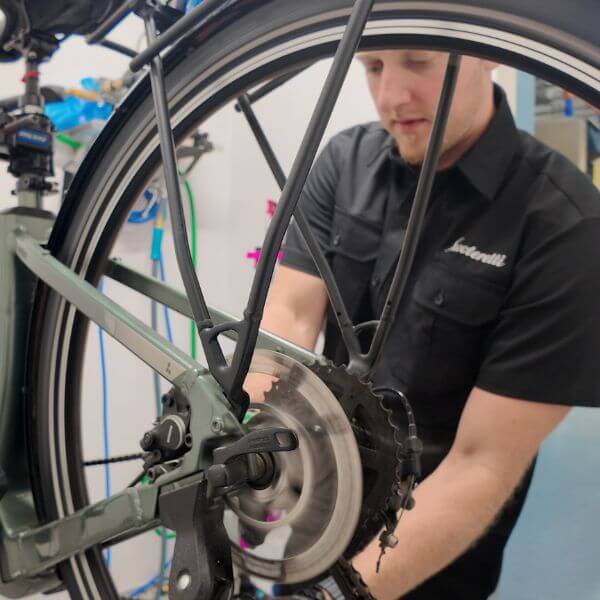
Premium eBikes are serviceable machines, not disposable gadgets. The real ownership experience depends on correct assembly, firmware updates when applicable, wear-item replacements, and access to OEM parts over time.
That’s why buying through a retailer with certified service and a deep parts pipeline is part of the premium equation - especially for riders planning high mileage or depending on the bike for commuting. If you want brand-specialist guidance and long-term support, that’s exactly the ecosystem at Scooteretti, along with consultative phone, video, and in-store options.
How to choose quickly without guessing
Start by naming the job.
If the bike’s job is “commute every day, rain or shine,” prioritize comfort fit, lighting, fenders, tire volume, and a drivetrain you can live with. If the job is “replace the family car for local trips,” prioritize purpose-built cargo geometry and accessories, then worry about speed and range. If the job is “fitness rides plus practical errands,” look for a balanced platform that feels lively but still takes racks and fenders.
Then be honest about storage and lifting. A slightly heavier bike can be the best ride you’ve ever had - until you have to carry it up steps twice a day.
Finally, choose the brand that consistently builds for that job. Premium is a great place to be as a buyer because none of these brands are “bad.” The win is getting the right style of premium, so every ride feels like you bought exactly what you meant to buy.
Pick the bike that makes you want to ride tomorrow, not the one that only looks right on paper.

About the Author
William Leishman
Founder & President, Scooteretti
William Leishman is the Founder and President of Scooteretti, one of Canada's leading electric bicycle retailers and a recognized authority in the eBike industry since 2010. As a member of the National Bicycle Dealers Association (NBDA) Advisory Board for eBike Safety, William plays a central role in shaping best practices and safety standards across North America, and is regularly featured on television, radio, print, and digital media as a trusted voice for consumers and industry professionals alike.
William's core mission is to educate Canadian consumers on choosing the right electric bicycle — one that truly fits their lifestyle, budget, and safety needs. As Canada's eBike market has exploded with new options, too many riders are purchasing the wrong bike, spending thousands across multiple purchases before finding a good fit. Scooteretti's "buy it once, buy it right" philosophy was built to solve exactly this problem, and it has helped thousands of satisfied customers make confident, informed decisions since 2010.
Beyond finding the perfect ride, William is on a personal mission to make eBike safety a national priority. He is a passionate advocate for making UL certification mandatory for every electric bicycle sold in Canada — a standard he believes every Canadian deserves, yet one that current legislation does not require. William is actively working to raise awareness among consumers and at all levels of government, because he firmly believes that no Canadian should have to risk their safety on an uncertified eBike. This isn't just a business position — it's a personal commitment he is dedicated to seeing become law.