




You can usually spot the moment someone buys the wrong premium eBike - it is not when they swipe a card. It is three weeks later, when the bike feels twitchy in traffic, the handlebars do not quite fit their shoulders, the battery range is fine on paper but not in their real route, and every small adjustment turns into a service scavenger hunt.
A premium electric bike is a long-term mobility tool. The goal is not to find the “most expensive” model. The goal is to buy the one that fits your body, your terrain, your cargo, and your expectations for service and parts five years from now.
How to choose a premium electric bike: start with your real use case
If you tell a specialist “commuting,” that can mean a flat 2-mile cruise or a 16-mile hill-heavy ride with bad pavement, a laptop, and winter gear. Premium eBikes get their value by being purpose-built, so you get the most confidence by being honest about how you will ride.

Think in terms of frequency, load, and conditions. Are you riding four seasons or mostly fair weather? Do you need to carry a child seat, a pannier full of groceries, or tools for work? Are you storing the bike in a condo hallway, lifting it onto a rack, or rolling it into a garage? Those details will naturally point you toward categories like city, touring, cargo, mountain, gravel, folding, compact, or fat eBikes.
Category matters because it determines core geometry and stability. A great cargo bike is not just a commuter with a bigger rack. A great commuter is not automatically comfortable for longer weekend rides. Getting the category right first prevents you from overpaying for features you will not use, or worse, underbuying and then trying to “fix” the wrong bike with accessories.
Fit and comfort are where premium becomes obvious
Premium bikes earn their keep when you can ride longer with less fatigue and more control. That starts with fit, not motor power.
Pay attention to frame geometry and riding position. An upright posture can be a game-changer for neck, wrists, and confidence in traffic, especially for older riders or anyone returning to cycling. A more forward position can feel faster and more efficient on longer rides, but it asks more of your core and shoulders.
Step-through vs step-over is not a style preference. Step-through frames make mounting easier when you are carrying a bag, wearing winter clothing, or dealing with limited hip mobility. Step-over frames can feel stiffer under load in some designs, which matters for aggressive riding or heavy cargo, but plenty of premium step-through bikes are extremely solid.
Small contact points drive big comfort differences. Saddle shape, grips, and pedal stance are personal, and premium bikes are often designed to accept upgrades cleanly. More importantly, the bike should have the adjustment range to put you in a natural position without odd stem angles or seatposts pushed to their limits.
Motor systems: choose for your terrain and feel, not the spec sheet
Most premium electric bikes use mid-drive systems because they deliver natural pedaling feel, efficient climbing, and better balance than many hub-motor designs. But “mid-drive” is still a wide field.
Torque matters if you face hills, heavier loads, or stop-and-go starts. Higher torque generally means easier launches at intersections and less strain when you are loaded down. That said, a high-torque motor paired with the wrong drivetrain can feel jumpy, while a slightly lower-torque system with excellent shifting can feel smoother and more predictable.
Also consider how the assist is delivered. Some motors feel sporty and immediate. Others feel calm and progressive, which many commuters prefer in traffic or on mixed-use paths. Premium is about choosing the feel you will enjoy every day, not just the highest number.
Battery integration and system ecosystem matter as much as power. A top-tier system typically means better diagnostics, more consistent parts availability, and batteries designed for long-term support. If you are comparing bikes that use common premium platforms like Bosch, ask about battery sizes available, charger options, display controls, and how service works if something eventually needs attention.
Range: plan for the worst day, not the best day
Range claims can be optimistic because they assume ideal conditions. Your “real range” is shaped by rider weight, cargo, tire choice, cold temperatures, wind, hills, and how much assist you use.
A practical way to choose battery capacity is to think about your longest regular ride, then add margin. If your commute is 12 miles round trip and you want to ride it without thinking about charging, that is different from a rider who regularly does 35-50 mile recreational loops.
Cold weather riders should be especially conservative. Batteries can deliver less usable capacity in the cold, and winter clothing plus studded tires can increase effort. If you expect to ride into shoulder seasons, a bigger battery or a dual-battery-ready platform can turn “maybe” into “reliable.”
Also think about charging reality. Can you charge at work? Do you want to bring a battery inside? Some bikes make battery removal easier than others. That convenience becomes a daily quality-of-life feature.
Drivetrain choices: chains, belts, and the shifting question
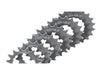
Premium eBikes often offer drivetrain upgrades because drivetrains are wear items. Your best choice depends on maintenance appetite, riding conditions, and how much you value clean, quiet operation.
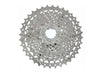
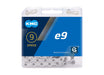
A traditional chain with a quality derailleur is efficient and familiar. It is also straightforward to service and can be a great fit for riders who do not mind periodic cleaning and replacement.
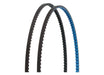
Belt drives appeal to riders who want low mess and low noise, especially for commuting in everyday clothing. Belts are typically paired with internal gear hubs or continuously variable transmissions like Enviolo. That setup can be very smooth and durable, but it can feel different than a crisp derailleur shift, and it benefits from correct setup and knowledgeable service.
At the high end, systems like Rohloff offer exceptional durability and gear range, often chosen for heavy-use touring and cargo applications. The trade-off is cost, and the reality that premium components still need qualified service when the time comes.
Brakes, tires, and suspension: control beats speed
A premium electric bike is heavier and faster than an acoustic bike in typical riding. That makes braking and traction non-negotiable.
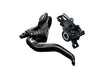
Hydraulic disc brakes are the standard for good reason. Beyond raw stopping power, they offer predictable control in wet conditions and less hand fatigue on longer descents.
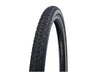
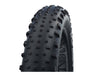
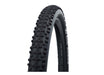
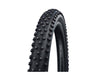
Tires are your contact with the world, and they shape comfort more than most people expect. Wider tires at appropriate pressure can smooth rough pavement dramatically. Tread choice matters too: a fast-rolling city tire feels great on asphalt, while a more aggressive tire earns its keep on gravel, snow, or loose surfaces.
Suspension depends on your roads and your body. A front suspension fork can reduce fatigue on potholes and broken pavement, but it adds weight and maintenance. Some riders prefer rigid forks paired with high-volume tires for simplicity. Seatpost suspension can be a smart middle ground for comfort without changing steering feel.
Cargo capability and stability: be honest about what you carry
If you will carry more than a backpack, treat cargo as a primary requirement, not an accessory afterthought.
Rack ratings, frame stiffness, wheel size, and kickstand design all affect how secure a bike feels when loaded. A commuter that feels perfect solo can feel wobbly with heavy panniers if the rack or geometry is not designed for it.
If you are carrying kids, pets, or work equipment, purpose-built cargo platforms - including longtails and front-loaders - offer stability and predictable handling that you cannot “add on” later. This is also where premium brands differentiate with integrated accessories, modular seating, and tested load solutions.
Ownership ecosystem: the part most buyers forget

Premium value is not only the ride. It is the next five to ten years.
Before you buy, ask how service works in your region. Who can diagnose your motor system? Are OEM parts accessible? Does the shop stock common wear items for your platform? Premium eBikes are sophisticated machines, and the best ownership experience comes from pairing a top-tier bike with certified, brand-literate support.
Also look at accessory compatibility. Integrated lighting, locks, child seats, cargo racks, and winter-ready upgrades are easiest when the bike is designed for them. That matters for commuters who want a clean, dependable setup, and for families who need safe, repeatable routines.
If you want a consultative buying process - phone, video, or in-store - and a service department that supports premium European and North American brands long-term, Scooteretti is built around that ownership ecosystem rather than one-time transactions.
Test rides: what to feel for in the first 10 minutes
A test ride is not about speed. It is about confidence.
Start with slow turns and stops. Does the bike feel stable when you look over your shoulder? Can you stop smoothly and put a foot down without awkwardness? Try starting from a dead stop in a higher gear with assist on - that reveals how natural the motor engagement feels.
Ride over rough pavement. Listen for rattles, feel how the bike tracks, and notice whether your hands and shoulders relax or tense up. If you are considering cargo, test the bike with weight or at least simulate the posture and handling you will use daily.
Finally, pay attention to the interface. Controls should be intuitive enough that you are not hunting for buttons in traffic. Premium is partially about reducing cognitive load.
The smartest way to spend premium money
If you are stretching your budget, prioritize the elements that are expensive to change later: frame category and fit, motor system, braking, and the general component ecosystem. Saddles, grips, pedals, and even some cargo accessories can be tuned after the fact.
A premium eBike should make you ride more, not make you manage it more. Choose the bike that feels like it was designed for your week, your weather, and your cargo - then invest in the service relationship that keeps it feeling that way season after season.
The best closing test is simple: picture a rainy Tuesday when you are tired and running late. If the bike still feels easy to roll out the door, easy to ride, and easy to trust, you have chosen well.

About the Author
William Leishman
Founder & President, Scooteretti
William Leishman is the Founder and President of Scooteretti, one of Canada's leading electric bicycle retailers and a recognized authority in the eBike industry since 2010. As a member of the National Bicycle Dealers Association (NBDA) Advisory Board for eBike Safety, William plays a central role in shaping best practices and safety standards across North America, and is regularly featured on television, radio, print, and digital media as a trusted voice for consumers and industry professionals alike.
William's core mission is to educate Canadian consumers on choosing the right electric bicycle — one that truly fits their lifestyle, budget, and safety needs. As Canada's eBike market has exploded with new options, too many riders are purchasing the wrong bike, spending thousands across multiple purchases before finding a good fit. Scooteretti's "buy it once, buy it right" philosophy was built to solve exactly this problem, and it has helped thousands of satisfied customers make confident, informed decisions since 2010.
Beyond finding the perfect ride, William is on a personal mission to make eBike safety a national priority. He is a passionate advocate for making UL certification mandatory for every electric bicycle sold in Canada — a standard he believes every Canadian deserves, yet one that current legislation does not require. William is actively working to raise awareness among consumers and at all levels of government, because he firmly believes that no Canadian should have to risk their safety on an uncertified eBike. This isn't just a business position — it's a personal commitment he is dedicated to seeing become law.