










If you have ever test-ridden an eBike and thought, “This feels great… until I have to stop,” you already know the problem. For shorter riders, the hardest part is rarely motor power or range. It is the moment you roll up to a light, need a confident foot-down stance, and realize the bike feels tall, heavy, and slightly out of your control.
A compact electric bike for short riders is a smart solution because it tackles that exact friction point: getting on and off easily, handling the bike at low speeds, and parking it without a wrestling match. The catch is that “compact” is not the same as “small enough,” and a low step-through frame is not automatically a good fit. Here is how to choose a compact eBike that feels stable, comfortable, and genuinely confidence-building - not just on paper, but in real life.
What “compact” should mean for shorter riders

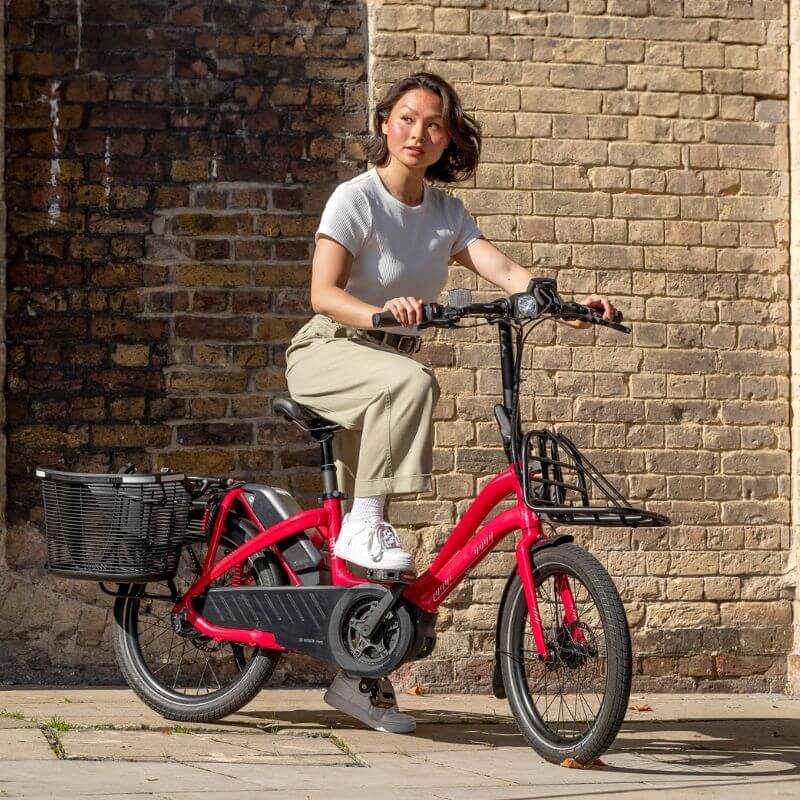
Compact eBikes come in a few different flavors: small-wheel city bikes, folding bikes, and “mid-tail” utility bikes that shorten the overall length while still riding like a full-size bicycle. For short riders, compact design is valuable for three reasons.
First, it can reduce standover and make the bike easier to straddle at a stop. Second, it tends to improve low-speed handling because the bike’s mass is tucked into a shorter wheelbase. Third, it makes storage and transport less intimidating, especially if you are lifting the bike into a car rack or rolling it into an apartment hallway.
But compact does not automatically equal low. Some compact frames sit tall because of battery placement, suspension forks, or seatpost design. Others are physically short but still demand long reach to the handlebars. A better approach is to think in fit outcomes: can you start, stop, and maneuver with calm control?
The fit specs that matter most (and the ones that mislead)
Most riders start with height charts. That is fine for narrowing the field, but short riders should prioritize a few specific measurements that predict real comfort.
Standover height and “foot-down” confidence
Standover height is the top-tube clearance when you are standing over the frame. On step-through bikes, it is less about the top tube and more about where the frame rises near the seat tube. The goal is simple: you should be able to stop without feeling like you must tiptoe or lean the bike hard to one side.
There is also a practical nuance: some riders do not need flat feet on the ground to feel safe. Others absolutely do, particularly newer riders, riders returning after years off the bike, or anyone managing balance concerns. If you are in the second group, prioritize a frame that allows a truly easy step-through and a low minimum saddle height.
Minimum saddle height (more important than you think)
Two bikes can have similar standover yet very different minimum saddle heights. That minimum is influenced by seat tube length, seatpost insertion limits, and saddle thickness.
This is where compact eBikes can surprise you. Many premium models use suspension seatposts for comfort, but some suspension posts have a higher minimum height than a standard post. That is not a deal-breaker, but it is something to plan around. A good shop will confirm whether a different seatpost option keeps the comfort while bringing the saddle down.
Reach and handlebar adjustability
Short riders are often told to “just lower the seat,” but a too-long reach can be the real cause of discomfort. When the bars are far away, you compensate by locking your elbows, shrugging your shoulders, and putting too much weight on your hands. Over time, that becomes wrist pain, neck tension, and reduced control when braking.
Look for bikes with adjustable stems, swept-back handlebars, or a cockpit designed for an upright posture. Compact city eBikes often shine here because they are built for daily riding comfort, not an aggressive stance.
Wheel size: stability vs. approachability

Small wheels (like 20-inch) are common in compact and folding eBikes. They can help lower the bike and make it feel nimble at low speeds. The trade-off is that small wheels can feel busier over rough pavement, and tire choice matters more for comfort.
Larger wheels (24-inch or 28-inch) can still work beautifully for short riders when paired with a well-designed low step-through frame. They typically roll smoother and may feel more planted at speed. The “right” choice depends on your roads and your comfort priorities.
What to avoid: common traps in “short rider” eBike shopping
Short riders are often pushed toward the smallest, cheapest, or lightest option available. Sometimes that works. Often, it simply just creates new problems.
One trap is choosing a bike solely because you can stand over it in the showroom. If the saddle cannot go low enough, or the reach is too long, the bike will still feel wrong on the road.
Another trap is over-indexing on weight. Yes, lighter is easier to move around. But stability and braking control matter more than a few pounds. A premium compact eBike with excellent tires, strong brakes, and a balanced motor system can feel easier than a lighter bike that is twitchy or under-braked.
Finally, be cautious with “one-size-fits-all” frames. Many compact eBikes are designed to fit a wide height range. That is convenient, but it means the adjustment range must truly cover short riders at the low end. Verify the minimum saddle height and cockpit adjustability rather than trusting the marketing.
The compact eBike categories that tend to fit best
There is no single perfect style, but a few categories consistently work well for shorter adults who want a premium ride.
20-inch compact city eBikes
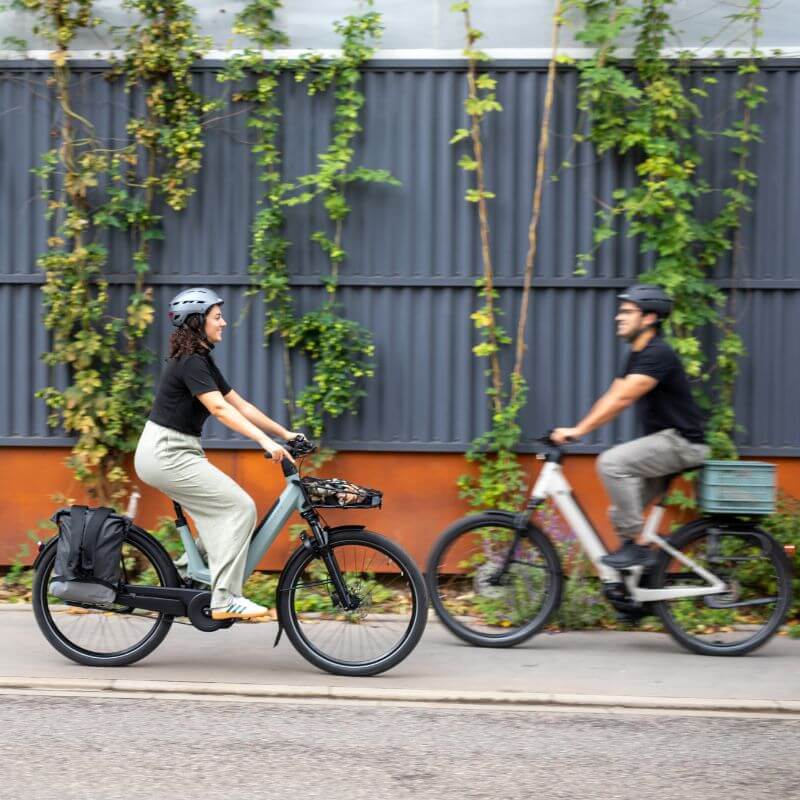
These are purpose-built around small wheels and a compact frame, often with an upright seating position. They are easy to handle in tight spaces, and many riders find them instantly confidence-inspiring at stoplights.
They are a strong choice if you commute, run errands, or want something that stores easily. If your streets are rough, plan on wider tires and consider a seatpost that adds comfort without forcing the saddle too high.
Folding eBikes (when storage drives the decision)
Folding eBikes can be excellent for short riders, especially if your biggest constraint is apartment storage, RV travel, or fitting the bike in a trunk. The best folding models ride “bigger” than you would expect, but not all do.
The main trade-offs are ride feel and service complexity. Folding mechanisms add moving parts, and some folders use more proprietary components. If you want a folding bike, it is worth choosing a brand with solid parts availability and a service network that can keep it dialed.
Compact utility and small cargo platforms
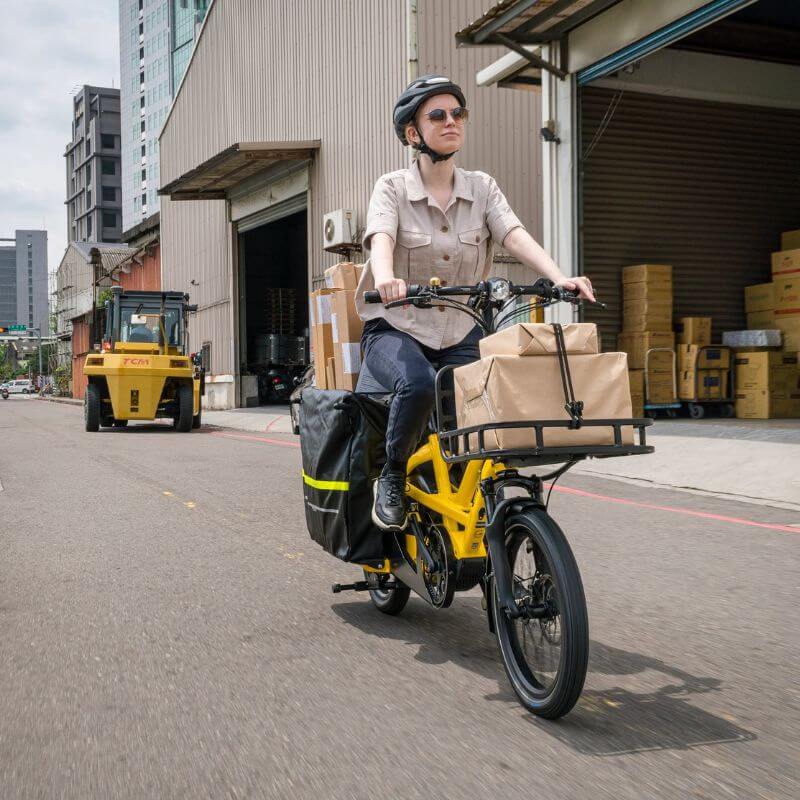
If you want to carry a child seat, groceries, or work gear, a compact utility eBike can be a better fit than a full size longtail cargo bike. Some brands like Tern offer longtails that are designed with a lower center of gravity and predictable handling, which can matter more for a shorter rider than sheer carrying capacity.
Here, fit is only half the equation. You also want the bike to feel stable under load and have a drivetrain that matches your terrain. A quality motor system and strong brakes are non-negotiable when you start adding cargo.
Dialing in comfort and control: the adjustment checklist

The best fit often comes from small, deliberate adjustments. For short riders, a few millimeters can change the entire experience.
Start with saddle height so you can pedal efficiently without rocking your hips, then check whether you can still stop confidently. If you need more foot-down security, a slightly lower saddle paired with a slightly higher assist level is often a better real-world setup than forcing an “ideal” pedaling height that makes stops stressful.
Next, focus on cockpit comfort. Bringing the bars closer and slightly higher can transform steering control and reduce hand pressure. If the bike allows it, a different stem angle or a more swept handlebar can be the difference between “I can ride this” and “I want to ride this.”
Finally, look at touchpoints: grips that fit smaller hands, brake levers with good reach adjustment, and tires that add stability. Short riders often have smaller hands, and lever reach that is too far can reduce braking confidence quickly, especially in wet conditions.
Why premium matters more when you are optimizing fit
When fit is tight - meaning you are near the low end of a bike’s adjustment range - quality parts and good service become more important, not less. You may need a different seatpost, a shorter stem, alternate handlebars, or a saddle that reduces stack height without sacrificing comfort.
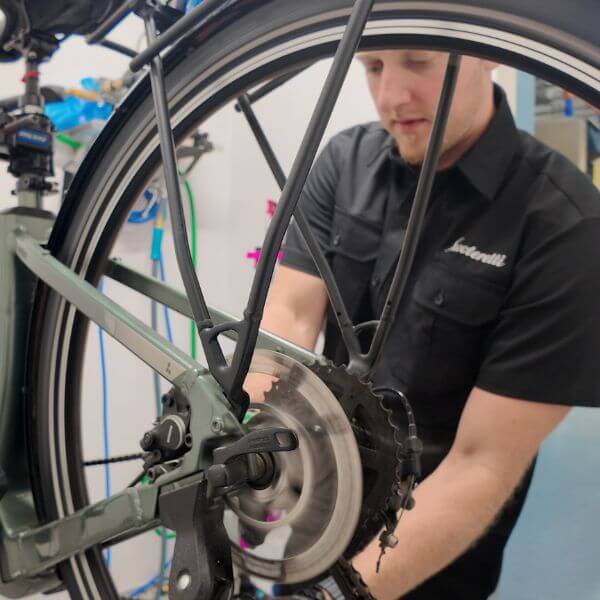
This is where buying from a premium, service-led retailer pays off. The goal is not to “make it work” on day one. It is to keep the bike working for years with the right parts on hand, correct torque specs, firmware updates when needed, and certified technicians who see these fit challenges every week. If you are shopping through Scooteretti at https://scooteretti.com, that consult-first approach is exactly what the compact category is built for: matching the rider to the right frame, then fine-tuning the details so it feels effortless.
The test ride that tells the truth
If you can test ride, do not spend the whole time cruising. Spend it doing the moments that normally make you uneasy.
Ride slow. Do tight turns. Practice a few controlled stops and starts. Step on and off the bike several times. If the bike has a heavier front end, try one-handed signaling while maintaining a straight line. If you plan to carry cargo, simulate it by putting weight in a bag or basket and repeat the same maneuvers.
Pay attention to how you feel at low speed and at zero speed. A compact electric bike for short riders is successful when stopping feels boring - not like a mini event you have to plan for.
A final thought to keep you grounded: the “best” bike is the one you will actually ride. If a compact eBike makes you feel calm at every stop sign, you will take it more often, ride farther, and trust it sooner - and that is where the real value shows up.

About the Author
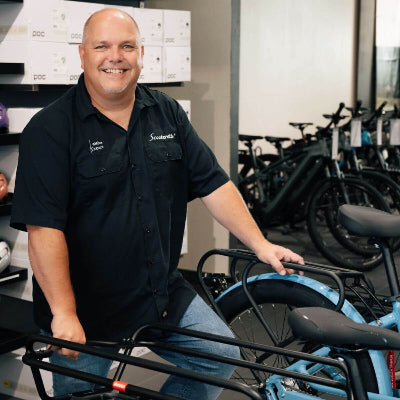
William Leishman
Founder & President, Scooteretti
William Leishman is the Founder and President of Scooteretti, one of Canada's leading electric bicycle retailers and a recognized authority in the eBike industry since 2010. As a member of the National Bicycle Dealers Association (NBDA) Advisory Board for eBike Safety, William plays a central role in shaping best practices and safety standards across North America, and is regularly featured on television, radio, print, and digital media as a trusted voice for consumers and industry professionals alike.
William's core mission is to educate Canadian consumers on choosing the right electric bicycle — one that truly fits their lifestyle, budget, and safety needs. As Canada's eBike market has exploded with new options, too many riders are purchasing the wrong bike, spending thousands across multiple purchases before finding a good fit. Scooteretti's "buy it once, buy it right" philosophy was built to solve exactly this problem, and it has helped thousands of satisfied customers make confident, informed decisions since 2010.
Beyond finding the perfect ride, William is on a personal mission to make eBike safety a national priority. He is a passionate advocate for making UL certification mandatory for every electric bicycle sold in Canada — a standard he believes every Canadian deserves, yet one that current legislation does not require. William is actively working to raise awareness among consumers and at all levels of government, because he firmly believes that no Canadian should have to risk their safety on an uncertified eBike. This isn't just a business position — it's a personal commitment he is dedicated to seeing become law.